
Canada's World Cup Glory Marred by Kone Injury Drama
Fri, 19th Jun, 2026
A Victory Tainted by Tragedy
Sometimes sport delivers moments that will live forever in a nation's collective memory, but not always for the reasons you'd hope. Canada's historic first-ever win at a World Cup finals should have been an evening of unbridled celebration, the kind of moment that defines a generation of players and inspires millions back home. Instead, what unfolded was a complex mix of elation and heartbreak, triumph and devastation, all compressed into ninety chaotic minutes that nobody will forget.
The win itself was significant. For a football nation that's historically punched below its weight on the world stage, this victory represented a genuine watershed moment. The players had earned it through hard work, tactical discipline, and the kind of resilience that's required to compete at the highest level. But within that triumph lay a moment so brutal, so unexpected, that it fundamentally altered the emotional landscape of the entire occasion.
The Moment Everything Changed
Ismael Kone, a key figure in Canada's midfield, suffered what appeared to be a catastrophic injury during normal play. These are the moments that strip away all the noise of sport and remind us what's really at stake. It wasn't a deliberate foul or a freak accident involving reckless play. It was just the brutal reality of football at the highest level, where bodies collide and sometimes serious damage occurs despite everyone's best intentions.
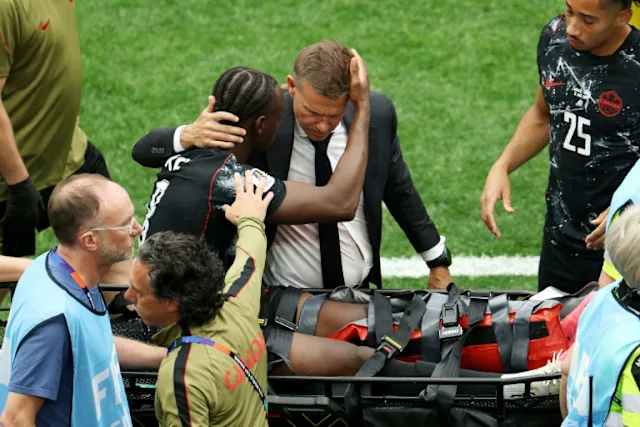
What happened next painted a raw picture of how deeply these athletes care about their teammates. The immediate reaction around the pitch was visceral. Players weren't thinking about the significance of the match result anymore. They were thinking about one of their own, potentially facing a long road of recovery and rehabilitation. The medical team moved quickly, but there was an unmistakable heaviness in the air.
When Emotions Boil Over
As Kone received treatment and was eventually stretchered away, the emotional dam broke. This wasn't manufactured drama or theatrical posturing. This was genuine, raw human emotion. Some of the scuffles that erupted seemed to stem from the frustration of the moment, the tension of watching a teammate suffer an injury during such a significant match. When feelings run this high, sometimes bodies and voices respond before rational thought catches up.
The scenes were undoubtedly uncomfortable to watch. There were heated exchanges, some aggressive gestures, and a general sense of tension that threatened to completely overshadow what should have been a purely joyful occasion. But in a strange way, it was also deeply human. These players had invested so much in this moment, and suddenly that moment became about something far more serious than three points on the board.
The officials had their hands full managing the situation, trying to keep proceedings under control while also showing compassion for what was clearly an emotionally charged moment. It's a difficult balance to strike, and you could see the challenge playing out in real time.
The Bitter and the Sweet
When the final whistle came, the victory was confirmed. Canada's first World Cup win was real and permanent, etched into the record books forever. But the celebrations felt muted, measured, almost guilty. Players who should have been jumping around with unbridled joy instead seemed preoccupied with news about their injured teammate, checking on him as he received further assessment and treatment.
This is the strange dichotomy of football at times. The sport can deliver historic moments and personal tragedy within the same ninety minutes. It can create immortal memories while simultaneously creating traumatic ones. The Canadian squad had achieved something their nation had never achieved before at the World Cup finals, but nobody was in the mood for ostentatious partying.
Looking Ahead Through the Fog
In the days and weeks that followed, the narrative split into two distinct tracks. There was the celebration of a genuine achievement, the recognition that Canada had proven they could compete at this level. But there was also the serious concern about Kone's recovery, the hope that the injury wouldn't derail his career, and the knowledge that he'd miss crucial matches while rehabilitating.
For Canadian football, this remains a landmark moment. It represented progress, proof that with investment and development, the nation could produce a team capable of winning at the World Cup. But it's a bittersweet memory, tinged with the kind of pain that comes from seeing a teammate suffer at the exact moment the team reaches its peak.
The players will need to process these mixed emotions as they move forward in the tournament. They'll need to channel the joy of the victory while carrying the worry about Kone. It's the kind of emotional complexity that separates football from most other sports, where personal stakes are so high and the impact on individual lives so profound.
This match will be remembered not just for what Canada achieved, but for what it cost. That's the reality of sport at its highest level.