
Silva To Replace Mourinho At Benfica After Real Madrid Move
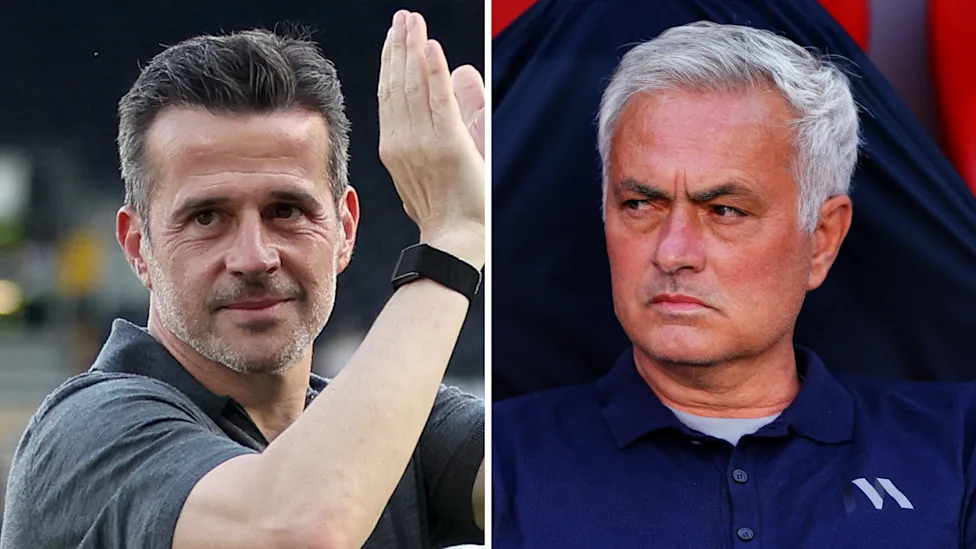
Wed, 10th Jun, 2026
Silva Steps In After Mourinho's Madrid Switch
Marco Silva has agreed to become Benfica's new head coach, filling the void left by Jose Mourinho's departure to Real Madrid. The Portuguese tactician's appointment represents a significant move for the Lisbon club as they look to maintain their competitive edge in both domestic and European competitions.
Mourinho's exit to the Spanish capital comes after an impressive tenure at Benfica, where he helped restore the club to prominence following their recent struggles. His appointment at Real Madrid marks another chapter in the legendary manager's career, but it leaves Benfica searching for fresh leadership going forward.
An Experienced Pair of Hands
Silva brings considerable pedigree to the role. The 52-year-old has enjoyed a respected managerial career across multiple leagues, with notable stints at Everton in the Premier League and Fulham in the Championship. Most recently, he's been in demand across Europe, making him an attractive prospect for any ambitious club looking for stability and tactical acumen.
His appointment signals Benfica's intention to build on the foundations laid by Mourinho rather than seek a dramatic overhaul. Silva's experience in English football, combined with his Portuguese heritage, makes him uniquely positioned to understand the club's ambitions and the pressures that come with managing one of Portugal's biggest institutions.
Continuity And Fresh Direction
While Mourinho's departure could have created uncertainty at the club, the swift resolution of the managerial situation demonstrates Benfica's organizational efficiency. The board moved quickly to secure a replacement, ensuring the team doesn't suffer from a prolonged period without clear leadership heading into crucial fixtures.
Silva's tactical philosophy differs somewhat from Mourinho's defensive pragmatism. He's known for preferring a more attacking setup, which could see Benfica adopt a different approach on the pitch. This shift in style won't necessarily be a step backward though. Instead, it offers the opportunity to unlock different strengths within the squad and potentially provide supporters with a more expansive brand of football.
The Real Madrid Effect
Mourinho's move to Real Madrid underscores the constant movement at the highest levels of football management. The Madrid job represents one of world football's most prestigious positions, and few managers can turn down such an opportunity. For Benfica, it's simply the reality of managing at a top European club that occasionally loses coaches to even bigger stages.
The club has experienced this before, and they've handled it reasonably well. Having a clear succession plan in place demonstrates that Benfica isn't a club in disarray but rather one that operates with intention and foresight. Silva's agreement to take the job is a testament to the club's appeal and their willingness to back their manager with resources and patience.
What Lies Ahead
Silva faces an immediate challenge in settling into his new role quickly. Portuguese football's calendar is unforgiving, with domestic competitions running concurrent with European obligations. He'll need to establish his identity as a manager while respecting the existing squad that Mourinho has shaped.
The pressure at Benfica is immense. The club's supporters demand success, and anything less than a title challenge domestically would be considered underperformance. In Europe, consistent progress toward the latter stages of the Champions League has become an expectation rather than a luxury. Silva must deliver on both fronts if he's to be remembered as a successful appointment.
His knowledge of English football might seem irrelevant, but the tactical lessons learned in the Premier League are universally applicable. The intensity, the competitiveness, and the need for constant adaptation in the English game have shaped Silva into a manager who understands how to evolve mid-season and adjust to different challenges. Those skills will serve him well in Portugal's top flight and European competition.
The Silva Era Begins
Benfica's decision to bring in Silva represents a pragmatic choice for a club that needs stability without losing ambition. He's not an untested prospect or a fashionable young manager, but rather a seasoned professional who understands the demands of managing elite football clubs. His Portuguese background also adds an element of familiarity that could prove valuable in connecting with supporters and understanding the club's culture.
The appointment signals Benfica's readiness to move forward with confidence. Mourinho's departure to Real Madrid, while significant, doesn't leave the club adrift. Instead, they've shown they have succession plans and the ability to attract experienced talent to replace departing managers.
As Silva prepares for his first matches in charge, all eyes will be on how quickly he can impose his philosophy and whether he can maintain Benfica's competitive position in Portuguese football. The early indicators suggest Benfica has made a solid appointment, one that balances experience with fresh tactical ideas. If he can hit the ground running, this could be the beginning of another successful chapter in the club's storied history.