
McTominay Travels With Doctor as Scotland Eyes World Cup Opener
Fri, 12th Jun, 2026
McTominay Takes Precautionary Measures Ahead of Scotland's World Cup Campaign
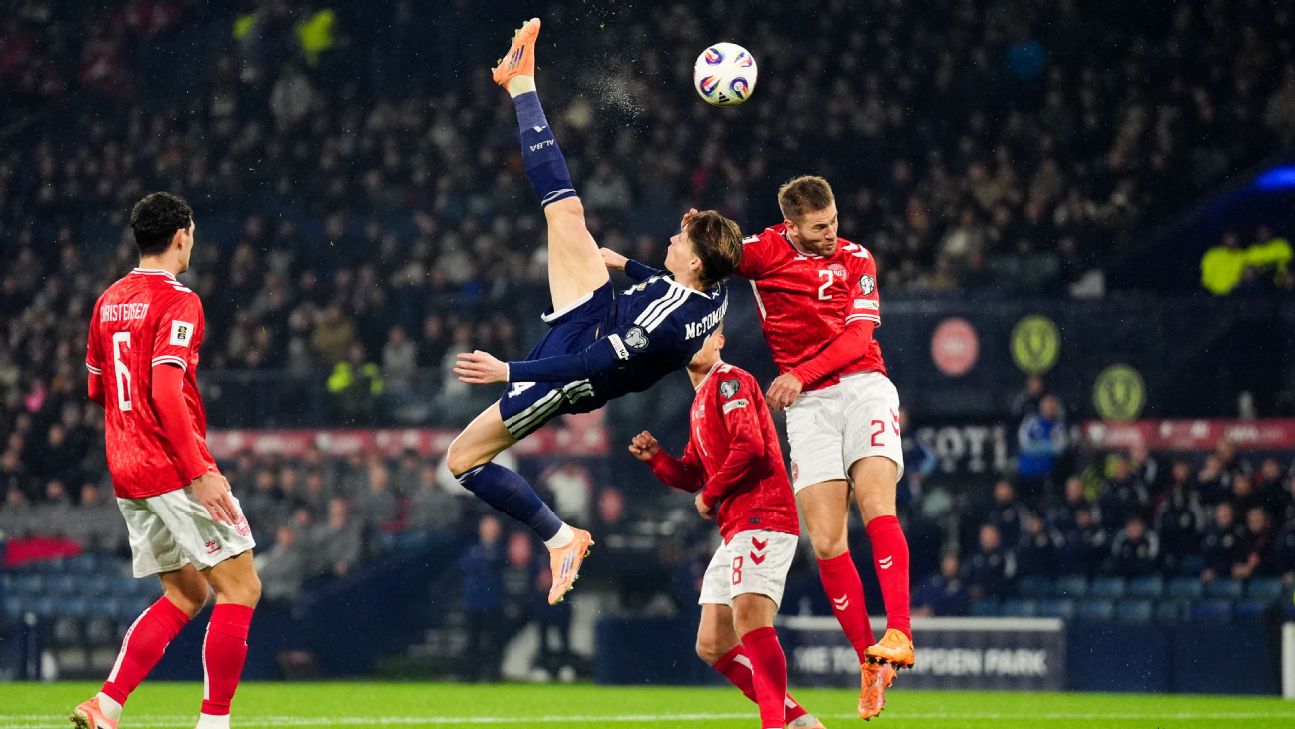
Scotland's preparations for their World Cup opener took an interesting turn when midfield anchor Scott McTominay made the journey to Boston separately from his teammates, accompanied by medical staff. The move represents a cautious approach from the national team setup as they look to keep their key players in peak condition heading into the tournament.
McTominay's individual travel arrangements underscore the meticulous attention to detail that modern international football demands. Injuries, fatigue, and recovery protocols dominate the conversation at major tournaments, and Scotland's medical team clearly wanted to ensure their influential midfielder arrived in the best possible state. There's no suggestion of a serious issue, rather a preventative strategy designed to manage his fitness levels during the build-up to such a crucial fixture.
The Importance of Squad Depth in Modern Football
The Scottish Football Association's handling of McTominay's travel reflects how seriously top international sides now treat player welfare. A key midfielder missing matches through poor preparation isn't just a tactical headache but a genuine competitive disadvantage. McTominay's role in Scotland's midfield cannot be overstated. His box-to-box capabilities, defensive work rate, and composure in possession make him invaluable to the team's system.
This kind of precautionary approach has become standard practice across elite football. Whether it's managing workload, monitoring muscle fatigue, or simply ensuring optimal recovery time, national team doctors work in conjunction with club medical staffs to keep players performing at their highest level. The fact that McTominay travelled with dedicated medical personnel shows Scotland's commitment to getting these fundamentals right from day one.
What This Means for Scotland's Campaign
Scotland's World Cup ambitions depend heavily on having their best players available and performing consistently throughout the tournament. McTominay, who plies his trade at Manchester United, brings a specific type of midfielder that Steve Clarke's side needs. His ability to break up play, transition possession quickly, and contribute defensively while maintaining attacking intent makes him central to how Scotland function in the middle of the pitch.
The separate travel arrangement shouldn't be read as a concern. Instead, it's a pragmatic decision from a coaching staff that recognizes the demands of international football and the condensed schedule that surrounds World Cup tournaments. Players are traveling across continents, adjusting to different time zones, and preparing for maximum intensity football. Every marginal gain counts, and if that means McTominay gets slightly different preparation than the rest of the squad, it's a worthwhile investment.
The Broader Context of Player Management
Throughout professional football, we're seeing an increasing emphasis on individualized player management. No two athletes recover the same way or respond identically to the same training stimulus. Some players benefit from extra recovery time, others from different activation protocols, and some require specific medical monitoring. Scotland's approach with McTominay fits squarely into this modern paradigm.
Club managers have been employing these strategies for years. Rotation systems, customized training loads, and personalized recovery plans are now standard at Premier League and Champions League clubs. International football operates at a different pace, with longer gaps between matches but significantly more compressed preparation periods. This makes intelligent squad management even more critical when national teams convene for tournaments.
McTominay's Role in Steve Clarke's Plans
Steve Clarke has built a system that relies on midfield stability and control. McTominay's defensive intelligence allows the Scottish midfield to operate more compactly, which creates space for attacking players to work in advanced areas. Without McTominay's presence and work rate, Scotland's entire approach changes. The team becomes more vulnerable to pressing and transitions, areas where every World Cup participant will test them thoroughly.
His experience at Manchester United means he's accustomed to playing against elite opposition at the highest level. That familiarity with top-tier football, combined with his technical security on the ball, makes him invaluable when Scotland face quality opposition in the group stage. Clarke knows he can trust McTominay to maintain possession under pressure and resist the temptation to launch long balls when Scotland need to control matches.
Looking Ahead to the Opening Fixture
As Scotland prepares for their World Cup opener in Boston, having McTominay fit, fresh, and mentally focused represents a significant boost to their prospects. The precautionary travel measures suggest the medical team wanted to rule out any potential issues before the tournament kicks off. That's exactly the kind of proactive thinking that separates well-organized national setups from those that react to problems rather than prevent them.
The Scottish Football Association clearly believes in leaving nothing to chance. McTominay's separate travel is likely to have gone largely unnoticed by the casual observer, but it reveals a coaching staff and medical team thinking several steps ahead. In tournament football, where tight margins often determine success and failure, these small decisions can prove decisive.
Scotland's World Cup campaign has the potential to capture the imagination of the nation, and McTominay will be crucial to making that happen. Whether it's breaking up opposition attacks, launching counter-attacks, or maintaining possession during stretched periods of play, his influence permeates Scotland's midfield. Ensuring he arrives in Boston in optimal condition wasn't just sensible management, it was essential preparation for a team hoping to make their World Cup stay as long as possible.