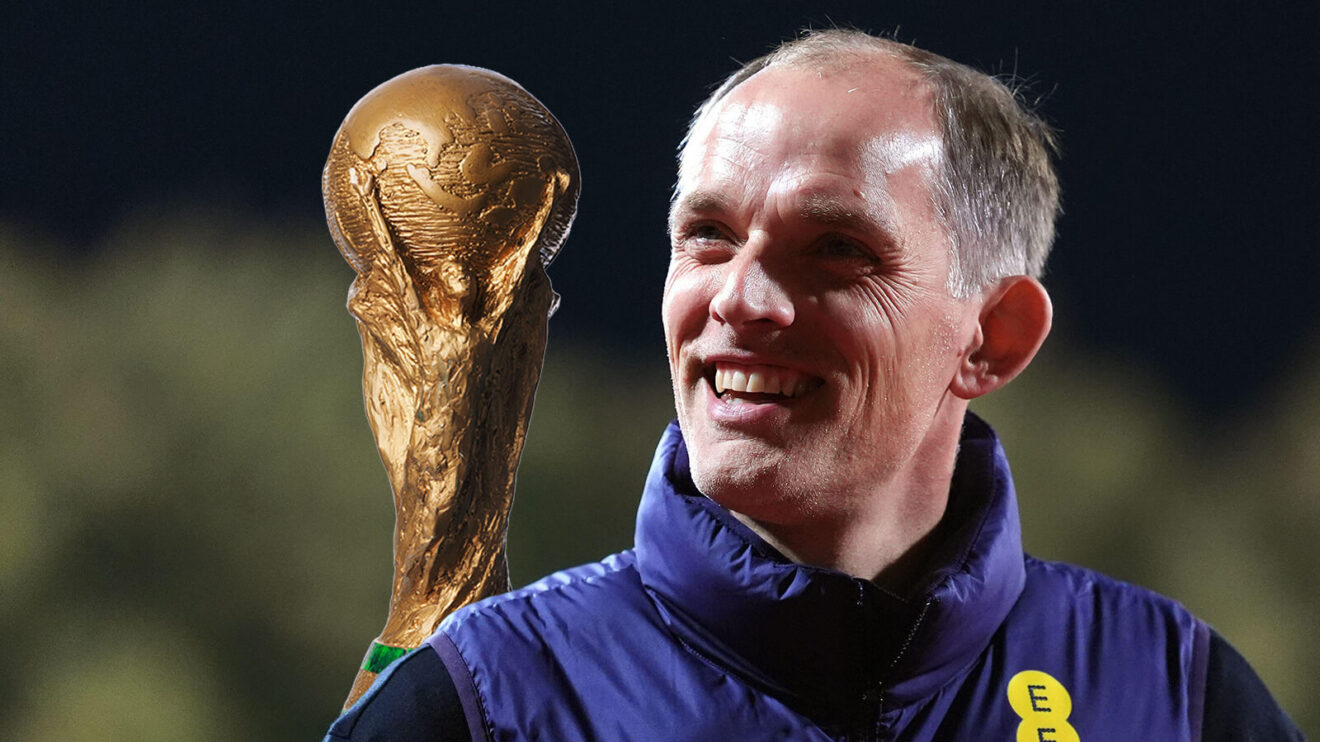
Wharton's European Glory Exposes Tuchel's World Cup Gamble
Thu, 28th May, 2026
The Omission Nobody Saw Coming
When Thomas Tuchel announced his England squad for this summer's World Cup, one name that stood out by its absence was Adam Wharton. The Crystal Palace midfielder, who'd been quietly impressing in the Premier League, didn't make the cut. It seemed like a straightforward decision at the time, another young talent left waiting for his moment. Few could have predicted what would happen next.
Fast forward to the European trophy final, and Wharton was absolutely magnificent. The 21-year-old controlled the midfield with a maturity that belied his years, picking passes with precision, winning crucial tackles, and generally looking like someone who absolutely belongs on the biggest stages. Palace lifted the trophy, and Wharton's performance was one of the standout talking points.
A Talent Too Good to Ignore
What makes this situation genuinely awkward for Tuchel is that Wharton wasn't just good in that final. He's been building towards this moment all season. His performances for Palace have shown a midfielder with excellent technical ability, tactical intelligence, and the kind of composure that usually takes years to develop. He reads the game well, positions himself intelligently, and isn't afraid to drive forward when the opportunity presents itself.
The midfielder from Farnborough has that rare quality of looking like he's playing in slow motion while everyone else rushes around him. In midfield, that's genuinely valuable. You can teach a player to run harder or defend more aggressively, but you can't really teach that kind of calm in possession. Either you have it or you don't.
Tuchel has a specific vision for the England midfield. He's clearly targeting players with particular attributes, probably those with significant international experience and proven Champions League pedigree. Wharton doesn't fit that profile on paper. Yet sometimes football doesn't work out the way we plan, and the players who arrive without fanfare end up being the ones everyone talks about.
The Squad Selection Dilemma
Picking a World Cup squad is genuinely difficult. You've got perhaps fifty players who could legitimately stake a claim for inclusion, and you can only take twenty-three. Every decision comes with trade-offs. Leave out the experienced campaigner who might never get another chance? Or gamble on the young talent who might not be ready? There's no perfect answer.
Tuchel's approach has been conservative, which is understandable. He's a new manager trying to establish himself, and there's less risk in picking established players. Wharton represented a punt, and Tuchel apparently decided there were safer options. Whether that's right or wrong will only become clear once the tournament actually starts.
What's undeniable is that Wharton has given everyone plenty to think about. He's performed at the highest level when it mattered most. That European trophy win wasn't a friendly or a routine domestic match. It was a genuine showcase, and he excelled in it.
The Bigger Picture
This situation raises interesting questions about player development and pathway to the national team. Wharton came through the Palace academy without much fanfare. He wasn't heralded as a superstar in the making. Yet here he is, delivering outstanding performances against continental opposition. Sometimes talent develops quietly, and scouts miss it, or managers haven't had chance to work with the player yet.
For a new England manager, there's an argument for backing the established names. Tuchel probably felt he needed to build some stability first, get results, and then gradually integrate younger players. That's a reasonable philosophy. But there's also an argument that identifying talent early and bringing them in before they become someone else's problem is the smarter long-term strategy.
Wharton's performance in the European final should at least guarantee him serious consideration for upcoming internationals, assuming England qualifies for whatever competition comes next. You can't perform at that level and expect to be ignored forever.
Looking Ahead
The World Cup will tell us a lot about whether Tuchel's squad selections were correct. If England progresses deep into the tournament with the midfield he's selected, nobody will care about Adam Wharton. But if there are moments where England looks short in midfield, or if the team struggles to control games, questions will inevitably resurface.
For Wharton himself, this is genuinely brilliant timing. He's young enough that this won't be his only World Cup opportunity if he continues on his current trajectory. The European trophy provides genuine evidence that he belongs in the conversation with England's best midfielders. Palace have also clearly got something special with him, and there's every reason to believe his stock will continue rising.
Tuchel's decision might not look like a mistake now if England wins the World Cup. But if things don't go to plan, this conversation will resurface again and again. That's just the nature of football management. You make your decisions based on what you believe at the time, but history judges you based on what actually happens.
What's certain is that Adam Wharton has announced himself as a genuine talent, and England's squad for future tournaments will likely look different because of performances like the one he produced in that European final.